
Are We Human Beings Or Human Doings?
A common concern that many senior leaders express is their inability to be present in the moment.
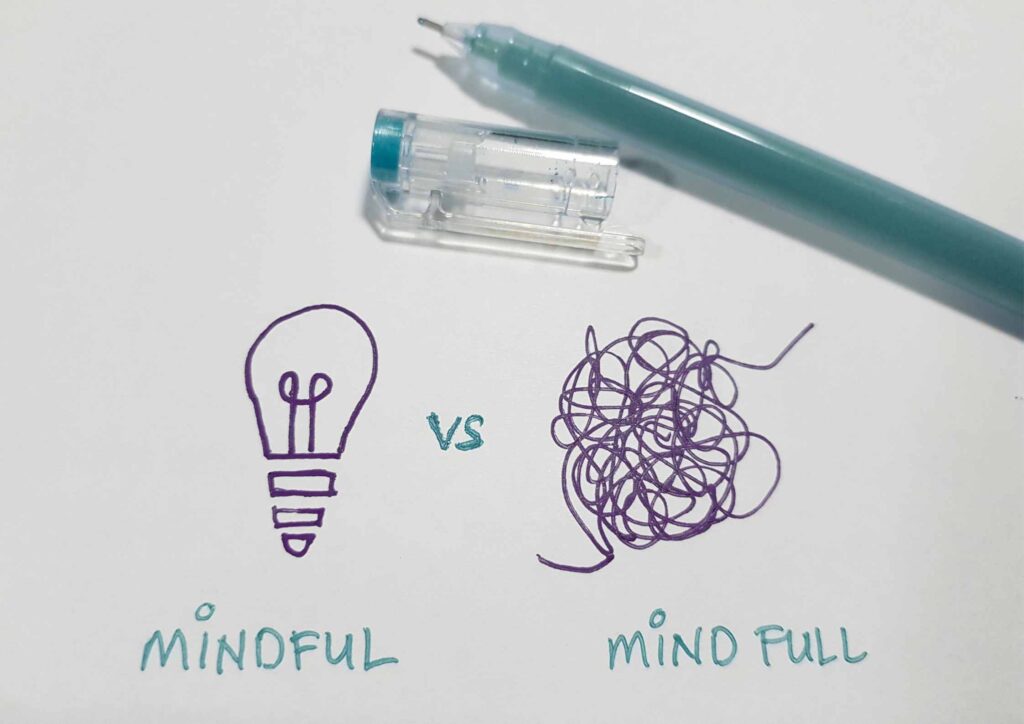
They may be listening to their team members, occasionally nodding in agreement, yet internally their minds are elsewhere — replaying a past conversation, worrying about an unresolved issue, or planning the next meeting.
Even during personal moments, this pattern continues.
While playing with their children, their thoughts drift toward an upcoming investor presentation. During dinner with family, they mentally draft emails. While speaking with a colleague, they rehearse tomorrow’s agenda.
This has become a pervasive human condition in today’s fast-paced world.
With constant notifications, overflowing calendars, and endless to-do lists, our attention spans are shrinking rapidly. Many people experience restlessness and find it difficult to stay anchored in the present moment.
The Cost of Not Being Present
This habitual distraction comes at a price:
- Reduced effectiveness on the task at hand, because the mind is never fully focused.
- Lower overall efficiency, driven by frequent interruptions and continuous mental chatter.
- Strained relationships, as people feel unheard, unseen, and disconnected.
Over time, this lack of presence impacts not just performance, but also well-being, trust, and leadership credibility.
Presence: A Core Leadership Capability
Being 100% present is no longer a “nice-to-have” quality. It is an essential leadership capability and a powerful component of Executive Presence.
When a leader is fully present in a conversation, the impact can be remarkable.
People feel valued. They feel heard. They feel respected.
Often, potentially difficult or emotionally charged conversations can be diffused simply because the leader is genuinely attentive. There is something deeply human about being met with undivided attention — it builds trust faster than any technique or strategy.
Presence creates connection. Connection creates influence.
What Does It Mean to Be Present?
Being present is not merely about physical availability. It is a deeper state of awareness and engagement.
Being present means:
- Being in tune with oneself — aware of your own thoughts, emotions, and physical sensations.
- Being in connection with the other — truly listening beyond words.
- Being in sync with the situation and reality — responding to what is, rather than reacting from habit or assumption.
Presence is the ability to meet each moment as it unfolds.
Practices of Leaders with Powerful Presence
In my experience, leaders who demonstrate strong presence consciously cultivate certain habits:
- They practice mindfulness regularly, developing awareness of their own body and mind.
- Their senses are highly attuned. They quickly notice shifts in emotions, facial expressions, tone of voice, choice of words, and body language.
- They make others feel important by offering undivided attention, without multitasking or mental wandering.
- They reset between meetings, intentionally letting go of the mental baggage from one interaction before entering the next.
- They stay connected to organizational dynamics, understanding both the visible and invisible realities at work.
- Above all, they practice meditation, strengthening their ability to stay centered, calm, and focused.
These leaders don’t rely on presence by chance — they train it.
Human Beings, Not Human Doings
We often define ourselves by productivity, achievements, and outcomes.
But we are human beings, not human doings.
When we over-identify with action and busyness, we lose touch with our inner state. By shifting attention back to our being, we naturally become more grounded, attentive, and available to others.
Enhanced focus on our inner presence improves the quality of every interaction — whether at work or at home.
Presence is contagious. When you are present, others feel safer to be present too.
How do you become more present in your conversations?